
Why do you think volunteerism hasn’t bounced back since the pandemic?
IS IT FAIR TO SAY THAT MEALS ON WHEELS IS THE LEAST CONTROVERSIAL CHARITY IN THE U.S.?
When we did our last public survey of voters,
9 out of 10 knew of Meals on Wheels, and of those, 9 out of 10 thought favorably of it.
DOES THAT REPUTATION MAKE IT HARDER TO GET YOUR CONCERNS HEARD?
We’re a little hidden in plain sight. We got a boost in attention during the pandemic, when all of us were having to isolate at home, wondering where our next meal was coming from. This is the reality that the adults that Meals on Wheels serves deal with on a day-to-day basis.
HOW WORRIED ARE YOU ABOUT THE NUMBER OF LOCAL PROGRAMS THAT ARE CLOSING?
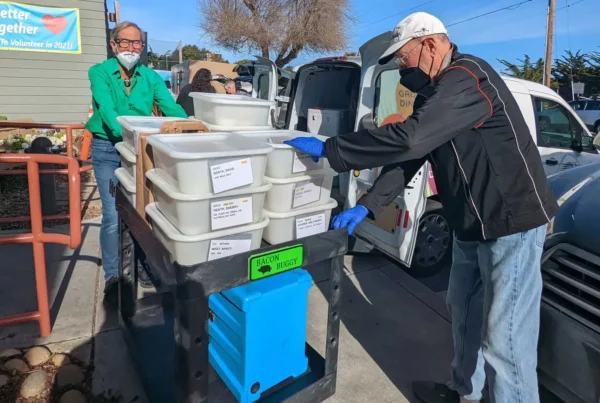
Some smaller programs have had to fold. Some are merging. We have a shortage of volunteers. Since I’ve been working here, I’ve been trying to get the charitable mileage reimbursement rate raised from where it was set in 1997: 14¢. The business rate is 72.5¢. But there’s a lot of polarization right now; it’s hard to get attention for really anything on Capitol Hill.
MEALS ON WHEELS AMERICA IS CALLING FOR $2.285 BILLION IN FUNDING FOR THE OLDER AMERICANS ACT NUTRITION PROGRAM IN 2027, WHICH IS MORE THAN DOUBLE CURRENT LEVELS. WHY SO MUCH?
Because it’s never kept pace with need or the rising costs. Today, we’re serving about 2.6 million seniors. One in 3 programs reports waiting lists of, on average, four months. Some programs have 4,000 people on a waiting list.
MACKENZIE SCOTT RECENTLY GAVE MEALS ON WHEELS AMERICA $70 MILLION. EVEN FOR HER, THAT’S A BIG GIFT. WHAT ARE YOU GOING TO USE IT FOR?
The goal of Meals on Wheels America is to do what our individual programs can’t do. What they do best is help vulnerable seniors. What we do is advocate for them, raise public awareness and visibility, and do research to help make the case with donors in their communities. That’s the thing about getting a gift like that. You could spend it down in an hour getting people off waiting lists, but are you going to solve the bigger problem? We’re trying to do both.
WE HAVE SOCIAL SECURITY AND MEDICARE, AND AMERICA HAS NO FOOD SHORTAGE. WHY ARE SENIORS HUNGRY?
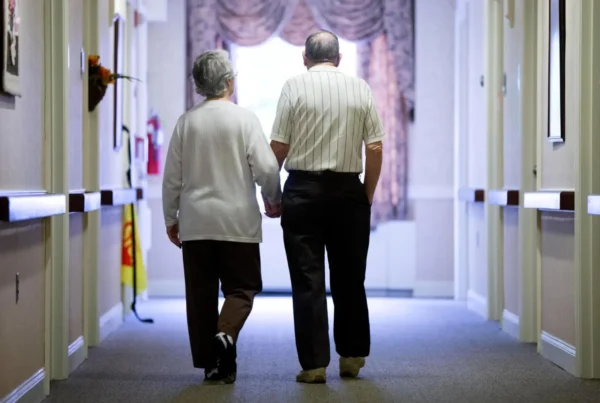
There are 14 million seniors who are threatened by hunger, and that’s grown by about 3.1 million in just three years. They have limited mobility. They’re dealing with multiple chronic conditions. They’re not able to get to a food bank. They’re not able to prepare their own food.
WHERE ARE THEIR FAMILIES?
Their family may live nowhere near them. We’re often the first point of contact when something goes wrong. We’re the people that reach out to a family member to let them know that there’s a problem.
IS ONE OF THE CHALLENGES THAT IT’S HARD TO MAKE THIS FEEL URGENT?
I think unless you have an older adult in your life, you think Meals on Wheels is always going to be there.
TO BE CLEAR, MEALS ON WHEELS is ALWAYS GOING TO BE THERE, RIGHT?
Well, Meals on Wheels is a network of individual community programs. Is there always going to be a Meals on Wheels program in your community? I can’t guarantee that. But will there always be Meals on Wheels somewhere? Yes, I absolutely believe it.